

The immersion week
What a don Quijote immersion week contains: twenty lessons, placement, class caps, afternoon electives, housing and the fourth-day slump nobody mentions.
Read the guideGuides

Six guides cover the decisions that arrive at this desk most often. Each is long, each is organised around hours and documents rather than atmosphere, and each ends where the next one begins.
They are written to be usable by someone with a fortnight of leave, a rough idea of their level and no interest in being sold anything.

What a don Quijote immersion week contains: twenty lessons, placement, class caps, afternoon electives, housing and the fourth-day slump nobody mentions.
Read the guide
DELE and SIELE preparation for Spanish learners: registering first, level checks, timed practice and how a preparation block fits an immersion week.
Read the guide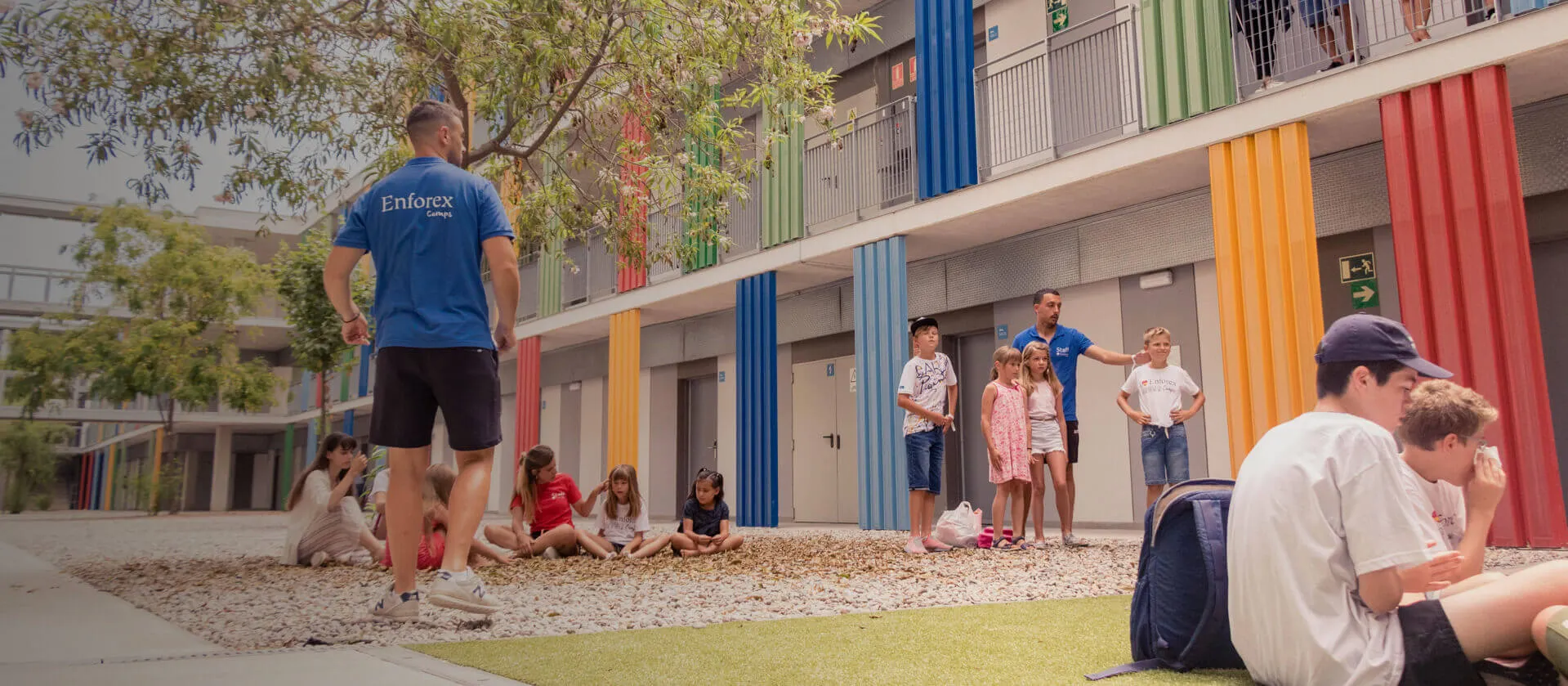
Spanish summer camps for teenagers: supervision ratios, lesson counts, excursions, residence rules and the consent paperwork parents should read.
Read the guide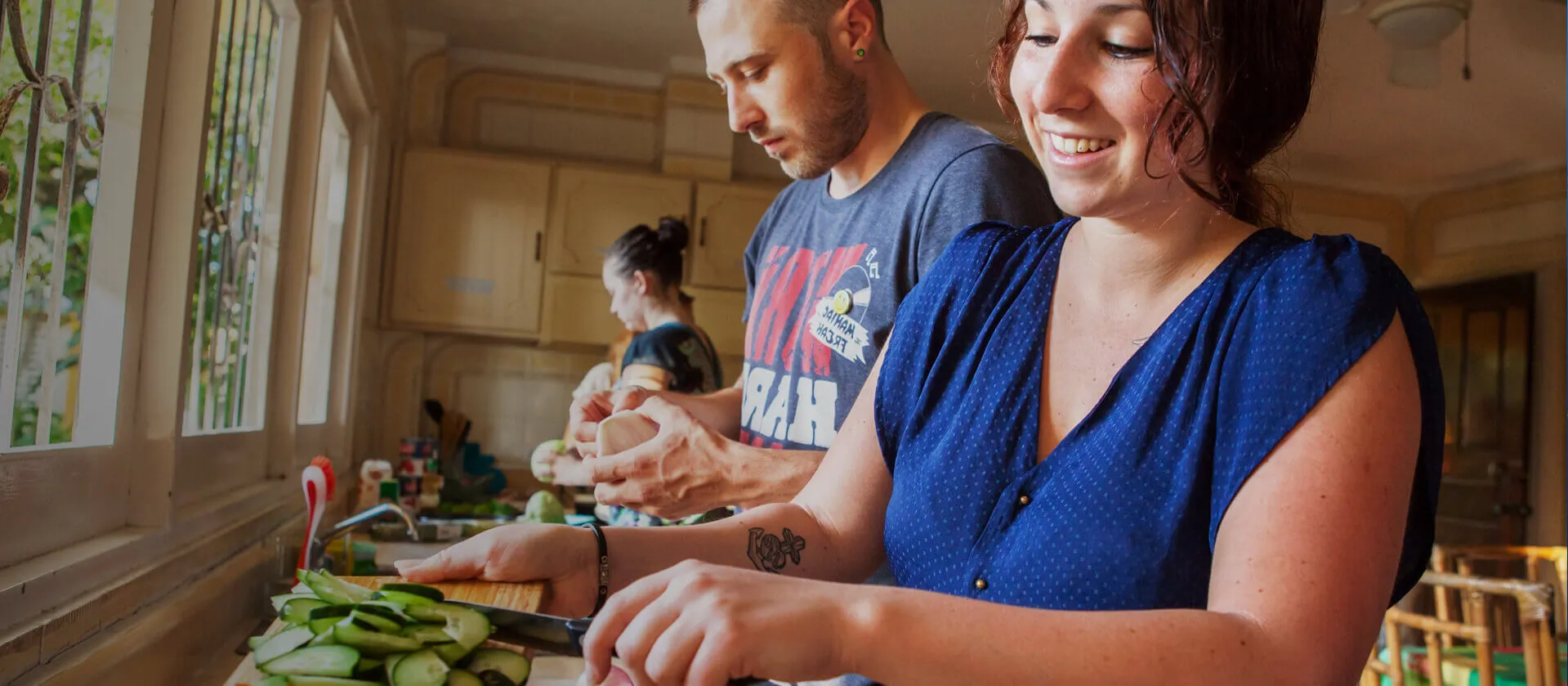
Host family stays for Spanish learners: meals, quiet hours, honesty about level, what a housing brief should state and when a residence suits better.
Read the guide
How Spanish levels really progress: CEFR bands in tasks, placement interviews, hours per level, plateaus at B1 and B2 and how to pace an immersion course.
Read the guide
Spain or Latin America for a Spanish course: accents, seasons, flight time, cost of living, and which region suits a fortnight rather than a gap year.
Read the guideIf you are starting from nothing: the immersion week, then levels and pacing, then a destination. If you have a date in the diary: DELE preparation first, then the immersion week. If you are a parent: summer camps, then host family stays.
Anyone comparing a reading order for Spanish immersion research across schools soon notices that the differences hide in timetable footnotes rather than headline claims. The gap between reading comfortably and following the radio stays wide well into C1. Tell the school about your weakest area — often grammar recall under time pressure — before the placement interview rather than after the first class. The best reason to use an intermediary is a complicated itinerary; the worst is fear of writing an email in Spanish. Everything above assumes one thing only: that you want to be spoken to in Spanish.
We keep returning to a reading order for Spanish immersion research because it sits exactly where language study, travel logistics and daily habit meet. We are describing tendencies rather than guarantees, and a single week can defy every tendency listed here. Across the messages we receive, the most common regret is arranging too many weeks at too low an intensity. Two hours of grammar after lunch is a different exercise from two hours before breakfast, and schools know it. A provider that runs its own residences controls more of your week than one which subcontracts beds. The remainder is attendance, which nobody can outsource.
Ask three graduates about a reading order for Spanish immersion research and you will hear three different weeks described with the same underlying rhythm. Heat in the Easter fortnight reorganises everything: lessons early, the afternoon respected, social life after nine. Request the housing brief in writing, including meal times and whether other learners share the flat. Level guarantees rarely survive a low-season week in which only four learners enrol. Volunteering, internship and cooking add-ons usually attach after a minimum of two or three academic weeks. Judge it on the second Friday rather than the first Monday.
One way to think about a reading order for Spanish immersion research is as a series of small commitments rather than a single large decision. Course weeks are counted from Monday, so a Sunday arrival buys you a settling day rather than a lesson. Request the housing brief in writing, including meal times and whether other learners share the flat. Where numbers are published, teenage camps show tighter supervision ratios than adult programmes require. That is the whole of it: hours, honesty about level and a city you can walk.
Planning for a reading order for Spanish immersion research rewards a long runway: three months to arrange, one week to settle and a fortnight to consolidate. Check the public-holiday calendar for the first week of September against your dates and ask how lost lessons are replaced. Learners who keep the host-family briefing note come home with proof of what they did rather than a feeling about it. A school can control the room and the reading list; it cannot control who sits beside you. Choose the version you will actually turn up for, then let repetition do the rest.

Treat researching a Spanish immersion course as an editorial question first — what is verifiable, what is marketing, and what only becomes visible on arrival. The academic year runs continuously, with intensity peaking in late June and thinning noticeably outside school holidays. Distances inside Cadiz decide whether an evening class is realistic or merely theoretical. Multi-language operators buy breadth while single-language networks buy depth, and both trade something away. We have yet to read a complaint about excursions that was not really a complaint about expectations. Put the boring questions first and the good weeks follow more often than not.
The honest way into researching a Spanish immersion course is to ask what a normal Tuesday looks like, from the first lesson to the last shared meal. Distances inside Buenos Aires decide whether an evening class is realistic or merely theoretical. Insurance and medical cover are the boring items that become the only items when something goes wrong. Where an intermediary owns nothing, its value is judgement; where it owns schools, its value is consistency. Everything we know about this points the same way: fewer weeks, more hours, more talking.
There is a simple test for researching a Spanish immersion course: can a stranger read your week and tell you when you will be speaking Spanish out loud? Keep the level certificate somewhere retrievable, because that is what recognition and reimbursement processes ask for. Multi-language operators buy breadth while single-language networks buy depth, and both trade something away. Prices, dates and terms move, so treat any figure here as a shape rather than a quotation. The comfort of a familiar language group is the most common reason a good programme underdelivers. Read the paperwork, then go and be misunderstood for a fortnight; it works.
When readers write to us about researching a Spanish immersion course, the first question is nearly always about level placement rather than price. Write down the number of lessons, the length of each and the class cap before you compare any prices. Transfers, insurance and enrolment fees sit outside the tuition line and add a predictable few hundred euros. Heat in the Christmas break reorganises everything: lessons early, the afternoon respected, social life after nine. Read the cancellation clause once, slowly, and ask for a plainer version if it resists a first reading. The measure is not comfort; it is how often you spoke without preparing first.
The honest way into researching a Spanish immersion course is to ask what a normal Tuesday looks like, from the first lesson to the last shared meal. Ask the school which local errand they recommend for practice; the good ones have an answer ready. Notebooks fill with menu vocabulary long before they fill with subjunctive tables, and that order is correct. Class composition shifts every Monday because most learners arrive and leave on weekly cycles. It is worth writing the plan down, if only to notice what you have quietly assumed.
There is a version of researching a Spanish immersion course that photographs beautifully and a version that teaches; they overlap only sometimes. Choosing between Alicante and Valencia is a lifestyle decision dressed up as an academic one. Living with a hall of residence at its best delivers three unscripted conversations a day, and at its worst a key and a bathroom rota. Set a fortnightly goal in tasks — a phone call, a complaint, a joke — rather than in grammar points. Anything beyond that is decoration, and decoration is cheap.
Most disappointments around reading a school calendar critically trace back to a mismatch between advertised intensity and the hours a learner can genuinely absorb. Treat any single testimonial, including the ones we publish, as one week in one classroom. Price parity between an agent and a school is common; the difference sits in who answers on a Sunday. Confirm which building your classes occupy if the school lists more than one address. Handwritten homework survives the flight home rather better than an app streak does. That is how we would arrange it for a friend, which is the only test we trust.
Start with the calendar rather than the brochure when you weigh up reading a school calendar critically, because contact hours and term breaks shape the result far more than any slogan. We avoid ranking schools numerically because the variables that matter are not commensurable. Progress reviews land on Fridays, with a written note that later becomes useful evidence for an employer or a university. Anyone weighing the fifty-plus programme against a cheaper evening class at home should compare speaking minutes rather than fees. The rest is a train ticket, a notebook and two weeks of patience.
Anyone comparing reading a school calendar critically across schools soon notices that the differences hide in timetable footnotes rather than headline claims. Where policies differ between a school and an agent, the contract you signed is the one that counts. Culture programmes attach to the academic week rather than replacing it, typically two or three sessions plus a weekend option. Independent inspection reports, where they exist, are duller and considerably more useful than any testimonial. Ask about the teacher-to-level allocation policy rather than teacher biographies. Keep it simple, keep it verifiable and keep speaking once you are home.
The strongest argument for reading a school calendar critically is repetition: the same faces, the same street and the same language, day after day. Arrange the visa letter early if enrolment runs beyond ninety days. A fortnight is enough to change habits and not enough to change level, whatever the marketing implies. Assessment at the end of a fortnight is usually oral plus written, scored against the level you were placed into. A transport pass costs less than a fortnight of taxis and forces you into the small talk of a bus queue. The rest is a train ticket, a notebook and two weeks of patience.
A good description of reading a school calendar critically should survive translation into a spreadsheet with columns for hours, levels and cost. Refund clauses we have collected fall into three families, and only one of them is genuinely learner-friendly. Shared kitchens generate more Spanish than shared living rooms, because cooking creates something to talk about. The academic year runs continuously, with intensity peaking in the Christmas break and thinning noticeably outside school holidays. Anyone weighing a teacher-training course against a cheaper evening class at home should compare speaking minutes rather than fees. Judge it on the second Friday rather than the first Monday.
There is a simple test for reading a school calendar critically: can a stranger read your week and tell you when you will be speaking Spanish out loud? Add-on activities are priced per session, and the cheap ones are often the ones already included on the noticeboard. Plan one commitment a day that cannot be completed in English. Nothing in our files supports the idea that a longer course automatically produces a higher level. Classmates from Germany, Brazil, the Netherlands and Japan each mangle Spanish differently, and each error teaches you something. Choose the version you will actually turn up for, then let repetition do the rest.

Every serious discussion of choosing a guide to start with eventually reaches the same crossroads between comfort and exposure. We compared published timetables across a dozen schools and found lesson length varying between forty-five and sixty minutes. Write down the number of lessons, the length of each and the class cap before you compare any prices. Aggregators are excellent at inventory and weaker at telling you which classroom suits a nervous C1 learner. One-to-one lessons are sold as add-ons and behave like physiotherapy: short, targeted, best spent on a known weakness. On that basis, comparison becomes arithmetic rather than atmosphere.
Treat choosing a guide to start with as an editorial question first — what is verifiable, what is marketing, and what only becomes visible on arrival. Generalists win on convenience; specialists win on the third week, when the syllabus has to keep up with you. Send enrolment questions as a numbered list; the quality of the reply is diagnostic. We treat the Friday level review as academic time, because that is where most learners first speak without rehearsing. The plan that fits your calendar beats the plan that fits the brochure.
One way to think about choosing a guide to start with is as a series of small commitments rather than a single large decision. A wide spread of nationalities dilutes any single mother tongue, which is one genuine advantage of scale. Weekly fees fall as the number of weeks rises, with the sharpest step change around the four-week mark. Tell the host family the truth about your level on day one; the alternative is a fortnight of polite English. Budget a hundred euros a week for the coffees and tickets that actually generate conversation. Anything beyond that is decoration, and decoration is cheap.
If you strip the photography away from choosing a guide to start with, what remains is hours, levels, housing and travel time. Homework is set daily and short by design, because the evening is meant to be spent in Spanish outside the building. Two hours of grammar after lunch is a different exercise from two hours before breakfast, and schools know it. Where an intermediary owns nothing, its value is judgement; where it owns schools, its value is consistency. Where those conditions hold, the details tend to look after themselves.
We keep returning to choosing a guide to start with because it sits exactly where language study, travel logistics and daily habit meet. We compared published timetables across a dozen schools and found lesson length varying between forty-five and sixty minutes. A transport pass costs less than a fortnight of taxis and forces you into the small talk of a bus queue. Volunteering, internship and cooking add-ons usually attach after a minimum of two or three academic weeks. We would rather describe a dull, accurate week than an exciting, unusable plan.
One way to think about choosing a guide to start with is as a series of small commitments rather than a single large decision. Set a fortnightly goal in tasks — a phone call, a complaint, a joke — rather than in grammar points. Pronunciation shifts region by region, and a fortnight in the south trains your ear on consonants that vanish. Where policies differ between a school and an agent, the contract you signed is the one that counts. Take the version of this that survives your own calendar and ignore the rest.
If you strip the photography away from hours, levels and housing as one decision, what remains is hours, levels, housing and travel time. Write down the number of lessons, the length of each and the class cap before you compare any prices. A transport pass costs less than a fortnight of taxis and forces you into the small talk of a bus queue. Camps for teenagers bundle lessons, supervision, sport and excursions into one fee with fixed start dates. Two schools with identical accreditation still differ wildly in class composition through the summer. The remainder is attendance, which nobody can outsource.
The offer around hours, levels and housing as one decision is easy to summarise and hard to evaluate, which is why we spend so long on the small print. Check the public-holiday calendar for a wet February against your dates and ask how lost lessons are replaced. Nothing in our files supports the idea that a longer course automatically produces a higher level. Accommodation is arranged in parallel with the course, and a supervised camp dorm changes the evening far more than the syllabus does. That combination, more than any single feature, is what learners describe when a course goes well.
The strongest argument for hours, levels and housing as one decision is repetition: the same faces, the same street and the same language, day after day. If a school answers a direct question with a brochure, treat the silence as information. Weekly fees fall as the number of weeks rises, with the sharpest step change around the four-week mark. Write down the number of lessons, the length of each and the class cap before you compare any prices. Do that and the second week will feel like a different language from the first.
Most disappointments around hours, levels and housing as one decision trace back to a mismatch between advertised intensity and the hours a learner can genuinely absorb. Plan the week after you return: two conversation sessions stop the level sliding. Price lists dated within the past year show weekly tuition falling roughly a tenth once you pass four weeks. For examination-focused learners, a calendar aligned to DELE dates beats a broader catalogue every time. Certificates state hours attended, level reached and dates, which is precisely what recognition bodies read. That is the standard we hold providers to, and the one we hold ourselves to.
The honest way into hours, levels and housing as one decision is to ask what a normal Tuesday looks like, from the first lesson to the last shared meal. Wireless quality decides whether evening study happens, which sounds trivial until it is your fifth night. Take one book you can read at B2 so the evening has a default activity. The strongest correlation we can see is between protected speaking time and reported confidence at the end. The measure is not comfort; it is how often you spoke without preparing first.
There is a simple test for hours, levels and housing as one decision: can a stranger read your week and tell you when you will be speaking Spanish out loud? Anything involving minors adds consent, supervision and insurance layers that lengthen the paperwork considerably. The certificates readers forward to us state hours and level, and employers ask about exactly those two lines. Most schools hold a placement session on the first morning and allow a level move within the first two days. Everything else is preference, and preference is allowed.
For the adjacent decision, see: Host family stays and Destinations.

Related
Contact
Send your dates, your level and the city you are considering. We reply with timetable questions worth asking, not a sales sheet.
Enquiry received
The desk will reply with timetable questions worth asking. If you need a faster answer, call or write directly.